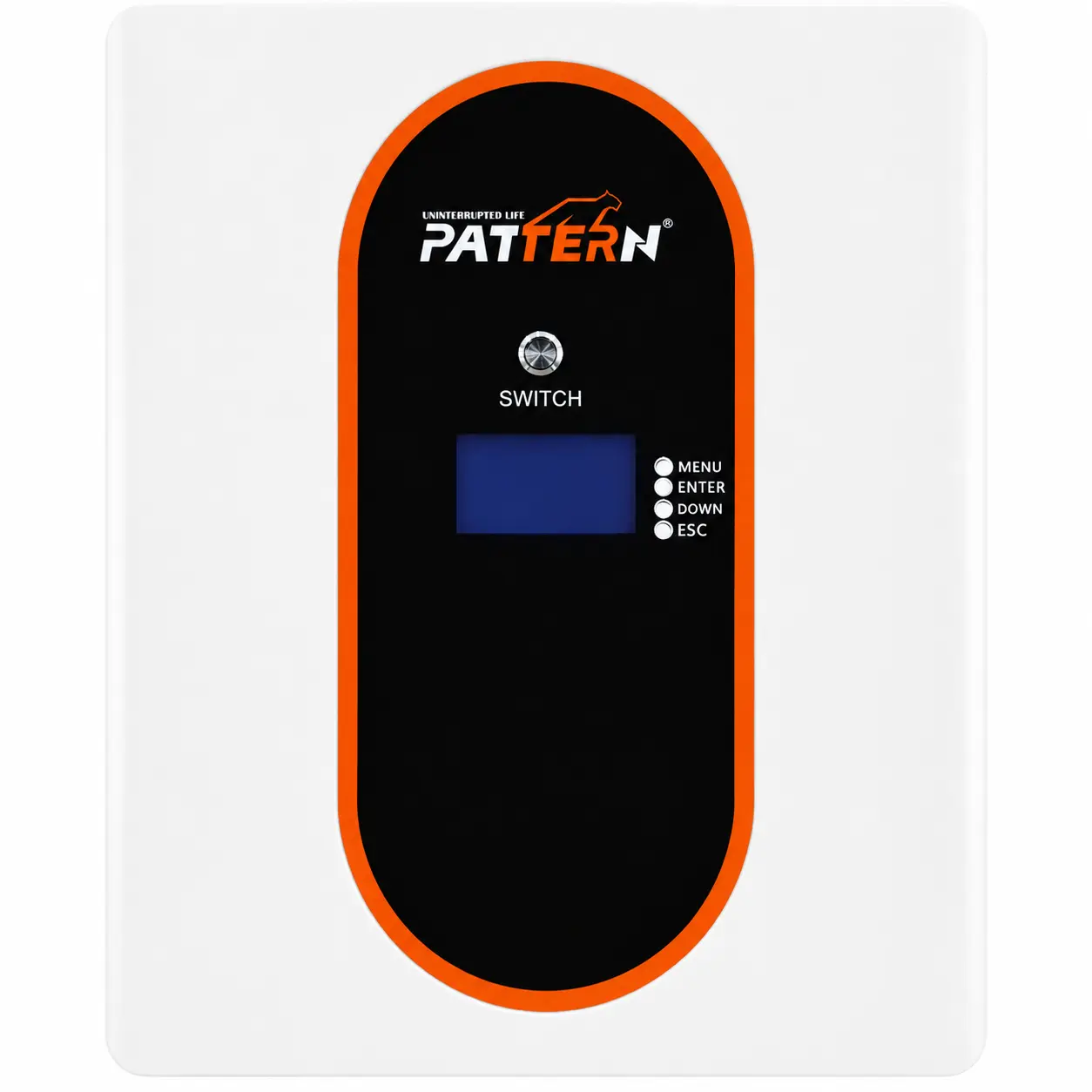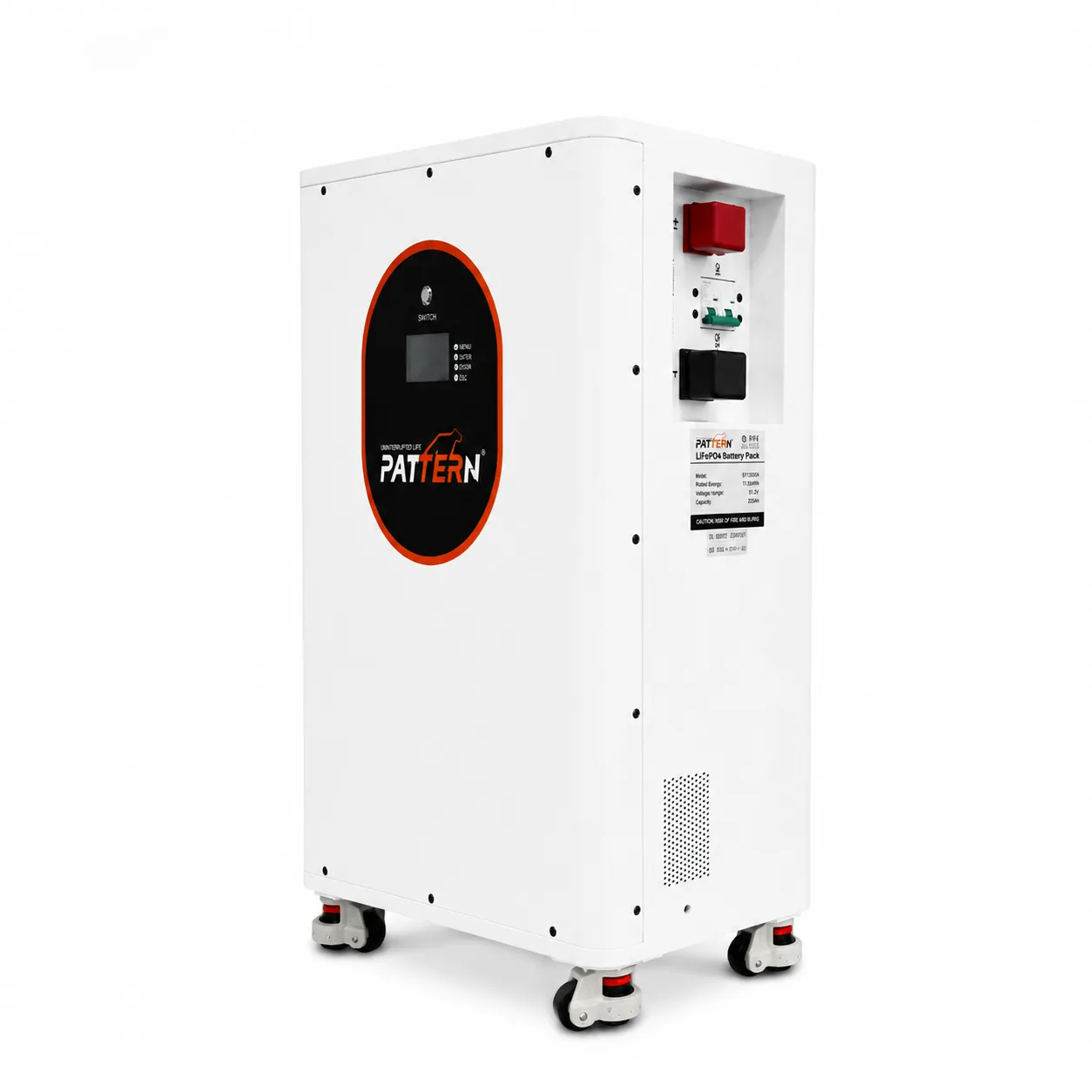
The two best-selling residential battery sizes are 5.12kWh (51.2V 100Ah) and 10.24kWh (51.2V 200Ah). Choosing between them is a question of loads, backup hours and budget — not of technology, since both use the same LiFePO4 cells and smart BMS.
What Each Size Actually Runs
At a 90% usable depth, 5.12kWh delivers about 4.6kWh per cycle. That covers a fridge, lighting, router, TV and fans for a full evening. The 10.24kWh unit doubles that, adding headroom for a washing machine, water pump or a few hours of inverter air conditioning.
- 5.12kWh: essential loads overnight, or whole-home backup for 3–5 hours
- 10.24kWh: whole-home evening use, or essential loads for 24 hours
- Both sizes parallel up to 16 units, so capacity can grow later
Cost Per kWh and Expansion Strategy
The 200Ah unit usually costs less per kWh than two 100Ah units, because one housing and one BMS serve double the capacity. If budget is tight, starting with one 100Ah unit and adding a second later is a valid path — the BMS balances parallel units automatically, even of different ages.
Physical and Installation Differences
A 100Ah wall-mounted battery weighs about 48kg and hangs on a standard wall bracket; the 200Ah version at roughly 88kg needs a solid wall or floor-standing placement. For homes where lifting is a concern, the floor-standing 10.24kWh cabinet on wheels is the easier installation.