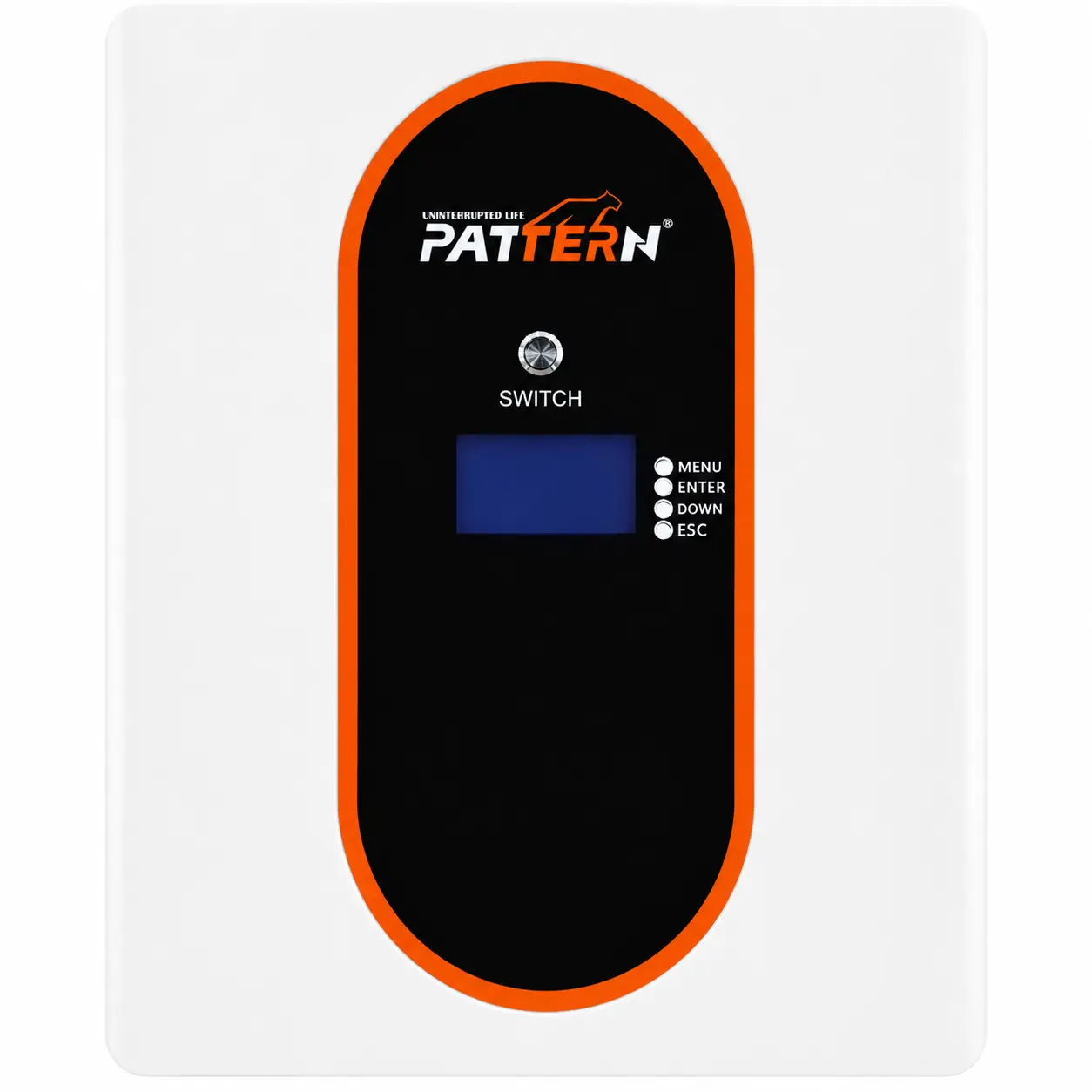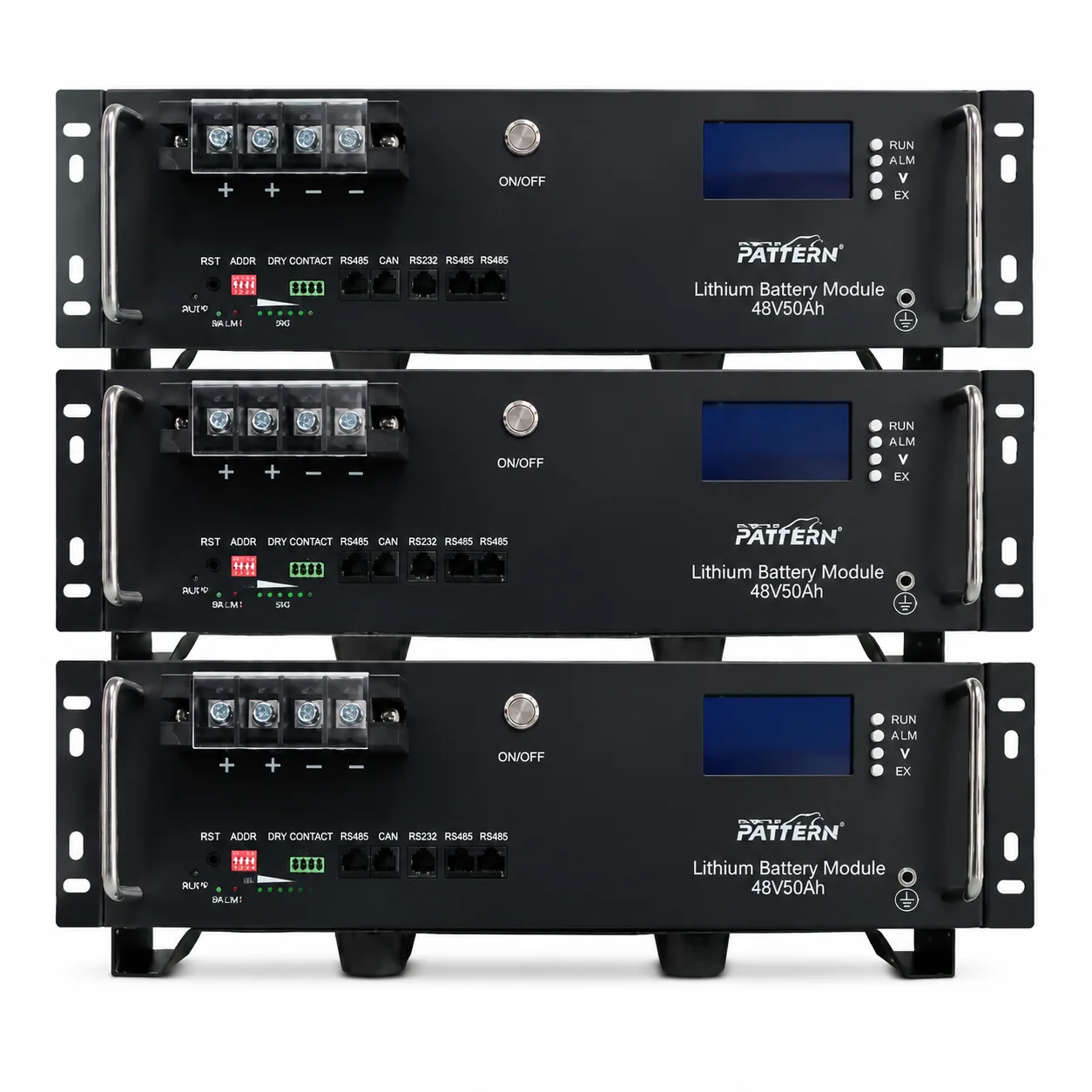
Wall-mounted and rack-mounted LiFePO4 batteries share the same 51.2V platform, cell chemistry and BMS intelligence. The difference is mechanical — and the right choice depends on where the system will live and how large it will grow.
When Wall-Mounted Wins
For homes and small shops installing one to four batteries, the wall-mounted powerwall is usually the better choice. It occupies zero floor space, installs with a simple bracket, and its finished appearance suits living areas and garages. IP65-rated enclosures tolerate dusty or humid utility rooms.
When Rack-Mounted Wins
Once a project exceeds roughly 20kWh — commercial facilities, telecom sites, farms — the 19-inch rack format becomes more practical. Modules slide into a standard cabinet, share busbars and breakers, and a technician can swap a single module without disturbing the rest. Address assignment and monitoring are handled automatically across the stack.
- Wall-mounted: 5–20kWh, homes, visible installations, minimal footprint
- Rack-mounted: 15–160kWh+, server rooms, telecom, service-friendly scaling
Mixing Is Possible — With Planning
Because both formats speak CAN/RS485 to the same inverters, some installers use wall-mounted units at the home and a rack stack at a workshop on the same property. Share your site layout with our engineering team and we will recommend the most serviceable configuration.